
Endocrinology I
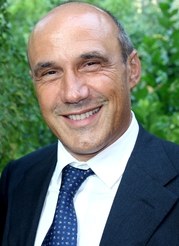
Director: Prof. Ferruccio Santini
Endocrinology Units 1 and 2 of Pisa University Hospital (AOUP)
A national and international point of reference for the diagnosis, treatment and follow-up of thyroid and endocrine diseases. Endocrinologists, surgeons, oncologists, nuclear medicine physicians, radiologists and pathologists work together to offer every patient a complete, personalised pathway, in line with international guidelines.

Wards, day hospitals and outpatient clinics dedicated to the different endocrine conditions.
Director: Prof. Ferruccio Santini

Director: Prof. Rossella Elisei
Diagnosis and treatment of thyroid cancer.
To book, you need a referral (prescription) from your GP ("impegnativa") for an endocrinology visit.
Monday–Thursday, 8:30–17:00
First visits, follow-up visits at the general outpatient clinic, first visits for osteoporosis, bone densitometry.
Monday–Thursday, 8:00–11:00
Congenital hypothyroidism, obesity, adolescent gynaecology, neuroendocrinology, pituitary gland, adrenal gland, oncology.
Monday–Friday, 9:00–12:00
Fax 050 997001, always active. The fax 050 578772 is no longer active.
Always active
If you cannot attend, please cancel your appointment: the slot can then be given to another patient.
If you have an exemption, bring it to the visit. It is essential for correctly issuing any new prescriptions (prescriptions, tests or check-ups). Thank you for your cooperation.
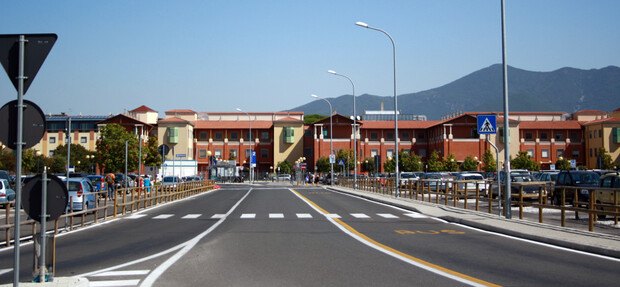
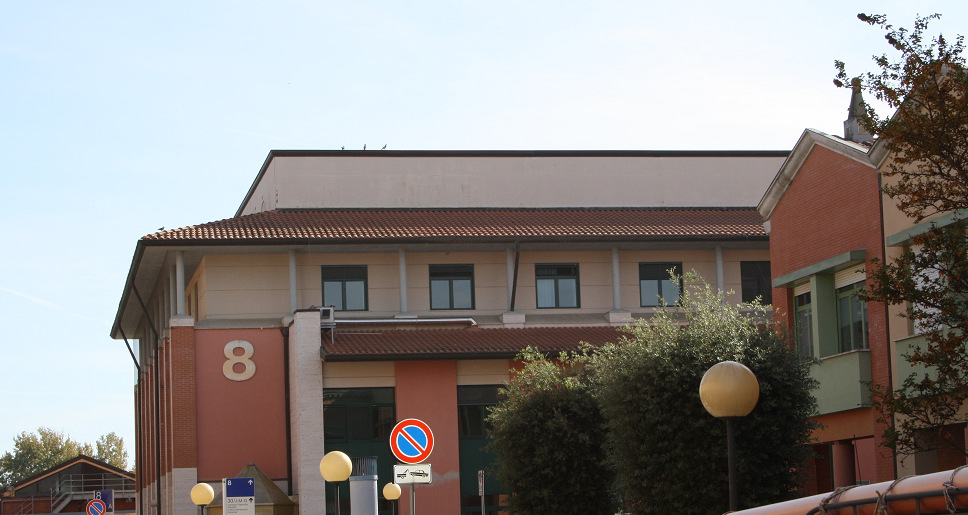
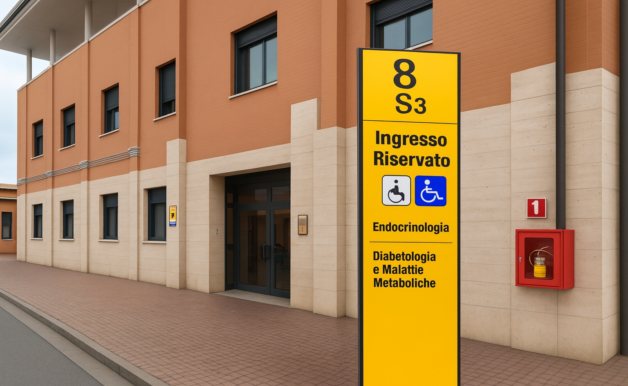
Visits and check-ups of Endocrinology Units 1 and 2 take place at Cisanello Hospital.
Numbers, tests, outpatient clinics and maps on your phone, even without internet. Free of charge.
The Units are reference centres for:
Diagnosis and treatment of nodules, goitre, hyperthyroidism, hypothyroidism and thyroiditis; a dedicated pathway for thyroid tumours, from diagnosis to follow-up.
Assessment and treatment of eye involvement in thyroid disease, particularly Graves' disease, by a joint endocrinology and ophthalmology team.
Assessment of newborns who test positive on newborn screening, with long-term monitoring to ensure regular growth and development.
Multidisciplinary pathways for the assessment and treatment of obesity and eating disorders.
Diagnosis and treatment of parathyroid diseases and of abnormalities in calcium, phosphorus and vitamin D, including osteoporosis.
Diagnosis and treatment of pituitary and hypothalamic conditions, such as pituitary adenomas, hyperprolactinaemia, acromegaly and hormone deficiencies.
Pisa University Hospital (AOUP) is in Newsweek's World's Best Specialized Hospitals 2026 ranking.
Pisa has a long history in the treatment of thyroid and metabolic diseases. In 2023, 30% of endocrinology patients and 47% of endocrine surgery patients came from outside the region.
Founded in the second half of the twentieth century with masters such as Lidio Baschieri and Aldo Pinchera. Their students carry on innovative research and cutting-edge diagnostic and surgical techniques, and come together in the Pisa Endocrinology Alumni Association (AAEP).
The endocrine surgery clinical centre treats thyroid and metabolic diseases with a multidisciplinary approach, integrated into the European Reference Networks (ERN) for rare and complex diseases.
There is a clinical centre for obesity and lipodystrophies, with a metabolic chamber to measure metabolism and nutrient oxidation precisely.
The ranking is based on an international survey of professionals (May–July 2025), accreditation data and patient-reported outcome measures (PROMs).
Research, July 2026

A research group from the University of Pisa and Pisa University Hospital (AOUP), in collaboration with the University of Pavia, has studied how PFAS can interfere both with thyroid function and with the action of thyroid hormones in the brain.
The study, published in the journal Environmental Pollution, was coordinated by Massimo Tonacchera, Associate Professor of Endocrinology at the University of Pisa, in the Department of Clinical and Experimental Medicine and working in Endocrinology Unit 1 of the AOUP.
The experimental work was carried out by the University of Pisa researchers and biologists Eleonora Ferrarini and Giuseppina De Marco, with the contribution of AOUP professionals Patrizia Agretti, biologist, Lucia Montanelli and Brunella Bagattini, endocrinologists, and Luisa Pignata, endocrinologist and research fellow at the University of Pisa. From the University of Pavia, Mario Rotondi, Full Professor of Endocrinology, and Francesca Coperchini, clinical pathologist, took part.
Using in vitro cell models, the group showed that PFAS can act on two different targets. On the one hand, they interfere with the uptake of iodide by thyroid cells, a process essential for the synthesis of thyroid hormones. On the other, they hinder the transport of triiodothyronine (T3) mediated by the MCT8 transporter, which is involved in the entry of thyroid hormone into neurons and glial cells.
The research was carried out within the PRIN 2022 project “The impact of endocrine disruptors on thyroid cell metabolism, inflammation, cancer, and brain thyroid hormone action mediated by MCT8”, a multidisciplinary study that combined endocrinological, molecular-biological and toxicological expertise.
PFAS are industrial substances that are highly persistent in the environment. They can spread through surface water and groundwater, contaminating soil, food and drinking water. For this reason, their possible effects on health are receiving growing attention from the international scientific community.
The results indicate that PFAS interference is not limited to the thyroid, but may also affect the mechanisms that regulate the availability of thyroid hormones in brain cells. This is particularly relevant in pregnancy and in childhood and adolescence, when thyroid hormones are essential for proper neurodevelopment.
As these results were obtained in in vitro cell models, further studies will be needed to establish their clinical relevance fully. The work does, however, provide new experimental foundations for investigating the relationship between PFAS exposure, changes in thyroid function and possible consequences for neurological development.

Videos
Rai 1 · “Thyroid: the warning signs”
Watch the video
Everything you need to know before, during and after your hospital admission.
The Units are at Cisanello Hospital, Via Paradisa 2, Pisa.
A free shuttle bus runs between the 900-space park-and-ride car park, near the Bocchette bridge, and the hospital.
If you have experienced a problem or have a suggestion, please let us know. Every report helps us listen to your needs and offer better services.